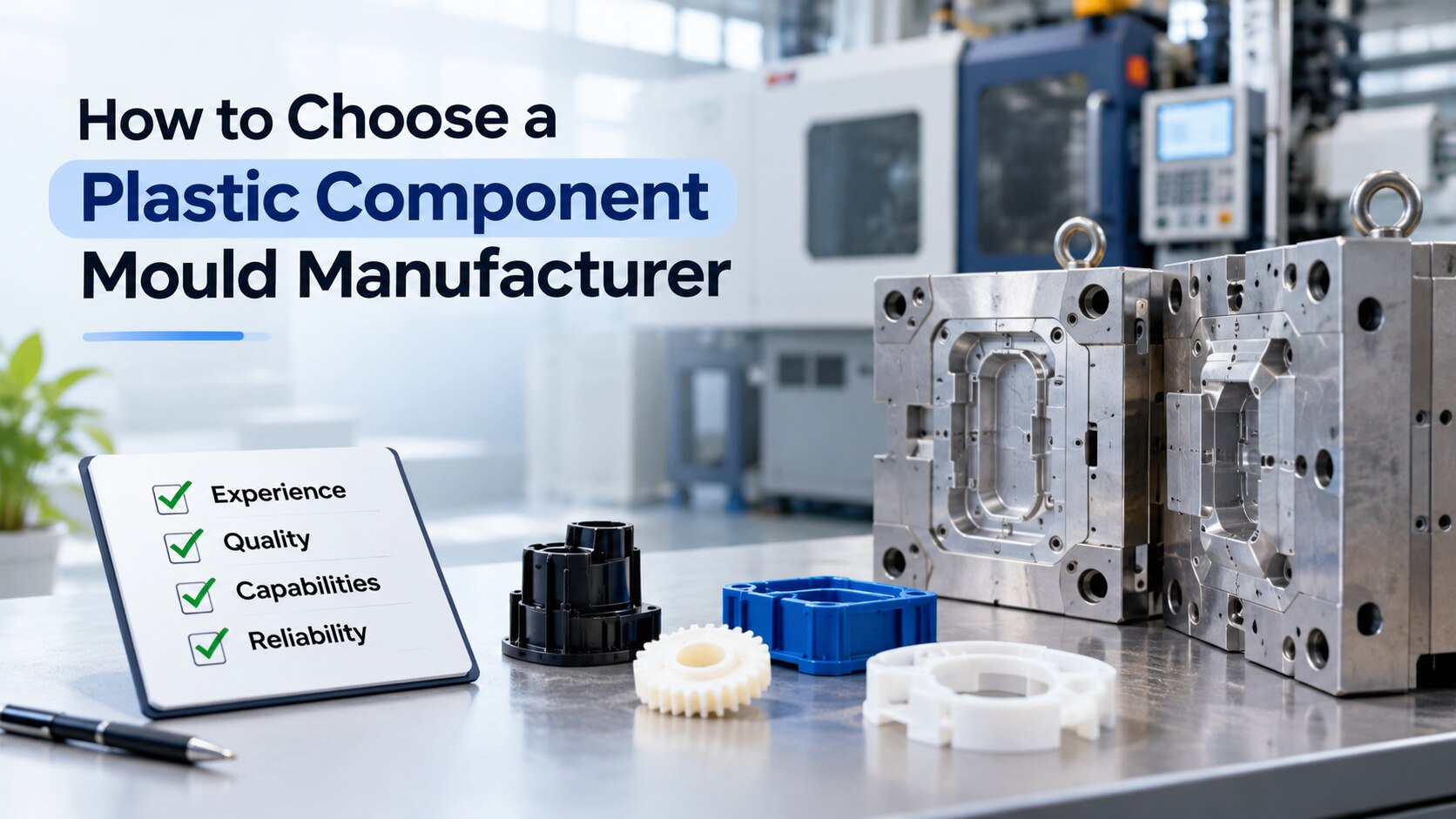
A low mould quotation can become expensive when it excludes cooling design, cavity-specific inspection, tool trials or repair obligations. Use the part data, engineering review, machine capability, trial evidence and purchase-order terms below to compare suppliers before steel is cut and to separate a capable toolmaker from a capable production partner.
Key takeaways
- Freeze the CAD, drawing, resin grade and tolerances before requesting quotations.
- Compare cavity count, machine capacity, cycle time and total tool ownership cost.
- Demand trial reports, dimensional inspection records and explicit handover terms.
- Separate mould construction from injection production when comparing suppliers.
Start with a complete brief and a design-freeze process
Send a plastic component mould manufacturer in Delhi a complete brief before requesting a price. Include the final 3D CAD file, 2D drawing, resin manufacturer and grade, shrinkage data, annual volume, target cycle time, expected tool life, surface-finish requirements and tolerances.
1. State the datum scheme, measurement temperature, conditioning state and plastic-part tolerancing basis. ISO 20457:2018 is more suitable for moulded-part tolerances than metal-machining tolerances applied indiscriminately. Ask for a design-for-mouldability record before machining.
2. Require that record to show the proposed parting line, draft, shut-offs, slides or lifters, gate type and location, ejection method, vents, cooling circuits, shrinkage assumptions and restricted cosmetic areas. This is essential for custom plastic component tooling in Delhi because a 2D drawing alone hides major cost and filling risks.
3. Require a milestone plan covering design review, steel release, machining, heat treatment, assembly, T1, corrections, T2, approval and production handover. Do not approve steel cutting from a 2D drawing alone.
4. Freeze the CAD model, gate strategy, ejection marks and critical dimensions in writing. Record who pays for steel changes caused by later design revisions, then preserve the approved files, revision history and acceptance criteria in the quotation and purchase order.
Check the part design, resin and mould construction before steel is chosen
A stable plastic injection component mould starts with a stable part design, not a steel grade. Inspect CAD for draft in every draw direction, uniform walls, rib and boss thickness, deep cores, undercuts, shut-offs and likely ejection marks.
Flag sharp internal corners, long flow lengths, thin walls and uneven mass: they raise weld lines, air traps, sink, warpage and filling pressure. Set the parting line away from sealing faces and visible surfaces.
For long-flow, thin-wall, multi-gate or fibre-filled parts, require filling, packing, cooling and warpage analysis using the actual resin grade, fibre content, gate layout and machine limits. Ask where gate witness, weld lines and glass-fibre orientation will appear. Polycarbonate needs adequate venting and polished cavities for optical or appearance-critical surfaces.
Glass-filled nylon needs drying, abrasion-resistant inserts and wear monitoring. POM needs careful venting and shrinkage control; polypropylene needs a realistic shrinkage assumption and ejection review.
Before steel release, ask the plastic component mould maker to confirm:
- Draft, slides or lifters, vents, cooling circuits, shrinkage assumptions and cosmetic restrictions.
- Ejection strategy and gate position against load-bearing, sealing and visible areas.
- Core steel selection, maintenance access and wear-replacement plan.
Steel comparison:
| Option | Strengths | Best fit |
|---|---|---|
| P20 | Lower cost, machinable, adequate polishability | Lower-volume, non-abrasive work |
| H13 | High hardness and wear resistance | Hot, abrasive or higher-wear service |
| S136 | Corrosion resistance and excellent polishability | Polished cavities where maintenance risk matters |
| 420 stainless | Corrosion resistance, hardenable, polishable | Moist environments or premium cavity surfaces |
Choose by volume, hardness, corrosion risk, polishability and maintenance effort, not by a generic “premium steel” label.
Compare machine capability, cavity count and the real tool price
A quote is credible only when the plastic component mould maker proves it can build and run the plastic injection component mould. Match mould envelope, projected area, shot and runner weight, mould height, ejection stroke and cooling connections to the intended injection machine.
Request these records before comparing prices:
- Machine list, clamping-force range, shot capacity, screw diameter, controller capability and available tryout dates.
- Hot-runner service evidence for valve gates, heated nozzles or multiple temperature zones. Without it, compare a balanced cold runner.
- Cooling-circuit drawing showing circuit length, pressure-drop checks, temperature-control zones and balanced cavity/core cooling.
Poor cooling can create differential shrinkage and warpage even when filling is correct. Cavity count also changes balance, cycle time, rejection exposure and the cost of replacing a damaged cavity, so require cavity-specific samples, dimensions and weights rather than one blended average.
| Tool option | Compare | Cost and risk |
|---|---|---|
| Prototype | Low expected shots, simpler steel and limited repair access | Lowest entry price; higher replacement risk |
| Low-volume | Replaceable inserts and practical maintenance access | Suits modest demand and controlled downtime |
| Hardened high-volume | Wear-resistant steel, repair access and planned spares | Higher price; lower lifetime interruption cost |
A comparable quotation itemises steel grade, cavities, runner system, slides, lifters, inserts, electrodes, standard components, polishing or texture, tryout shots, dimensional reports, spare parts, taxes and transport. Price durable steel when abrasive resin, polished surfaces, high volume or downtime makes replacement costlier than the initial saving.
Prove capability through trials, inspection and enforceable handover terms
A shortlisted plastic component mould manufacturer in Delhi should prove production readiness with documented trials, not a polished quotation or a single sample part.
1. Request sample parts made from comparable resin grades, annual volumes and geometries. Obtain T1 and T2 reports. T1 proves that the mould can produce a part; it does not prove stable production.
For each trial, record the resin lot, drying record, machine and screw conditions, mould temperature, cycle time, shot weight, sample quantity, visual limits and correction-closure rules.
2. Challenge the dimensional report. Ask how the supplier aligned datums, which instruments were used, their capability, how parts were conditioned, and whether tight features received repeat measurements. Moisture, inconsistent cooling or measurement variation can look like a tool defect.
Identify every cavity on each sample and report; a blended average can hide one failing cavity.
3. Put the handover terms in the purchase order. List approved 2D and 3D drawings, cavity identification, mould dimensions, cycle time, first-off limits, dimensional report, maintenance instructions, warranty scope and CAD/CAM-file ownership. State the included design revisions and trials, who pays for steel changes after approval, and how T1, T2 and production defects are corrected.
Before signing, check heat-treatment records, inspection equipment, electrode and insert supply, outsourced processes, tryout-machine dates, transport protection, installation support and named engineering contacts. Confirm tool ownership, custody, audit access and relocation rights.
GM Industries deserves consideration only if its evidence matches the tool’s demands. Apply the same test to any provider of custom plastic component tooling in Delhi.
Related products
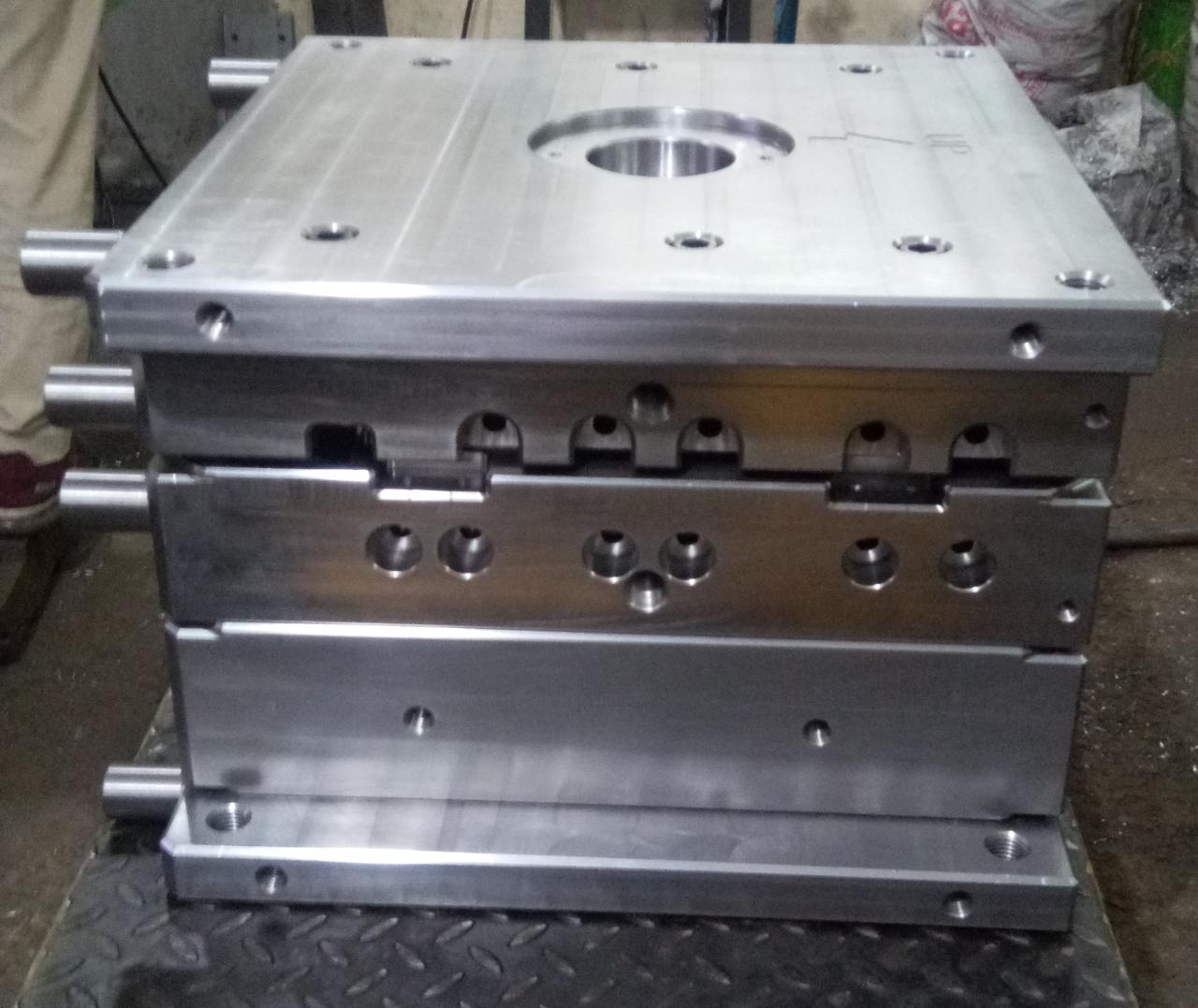 | Plastic Mold GM INDUSTRIES is the leading supplier of PLASTIC MOLD MAKER/ALMUNIUM CASTING MOLD/PDC MOULD/ALMUNIUM DIE CASTING MOLDS/PLASTIC COMPONENT MOLD/DIE... View product → |
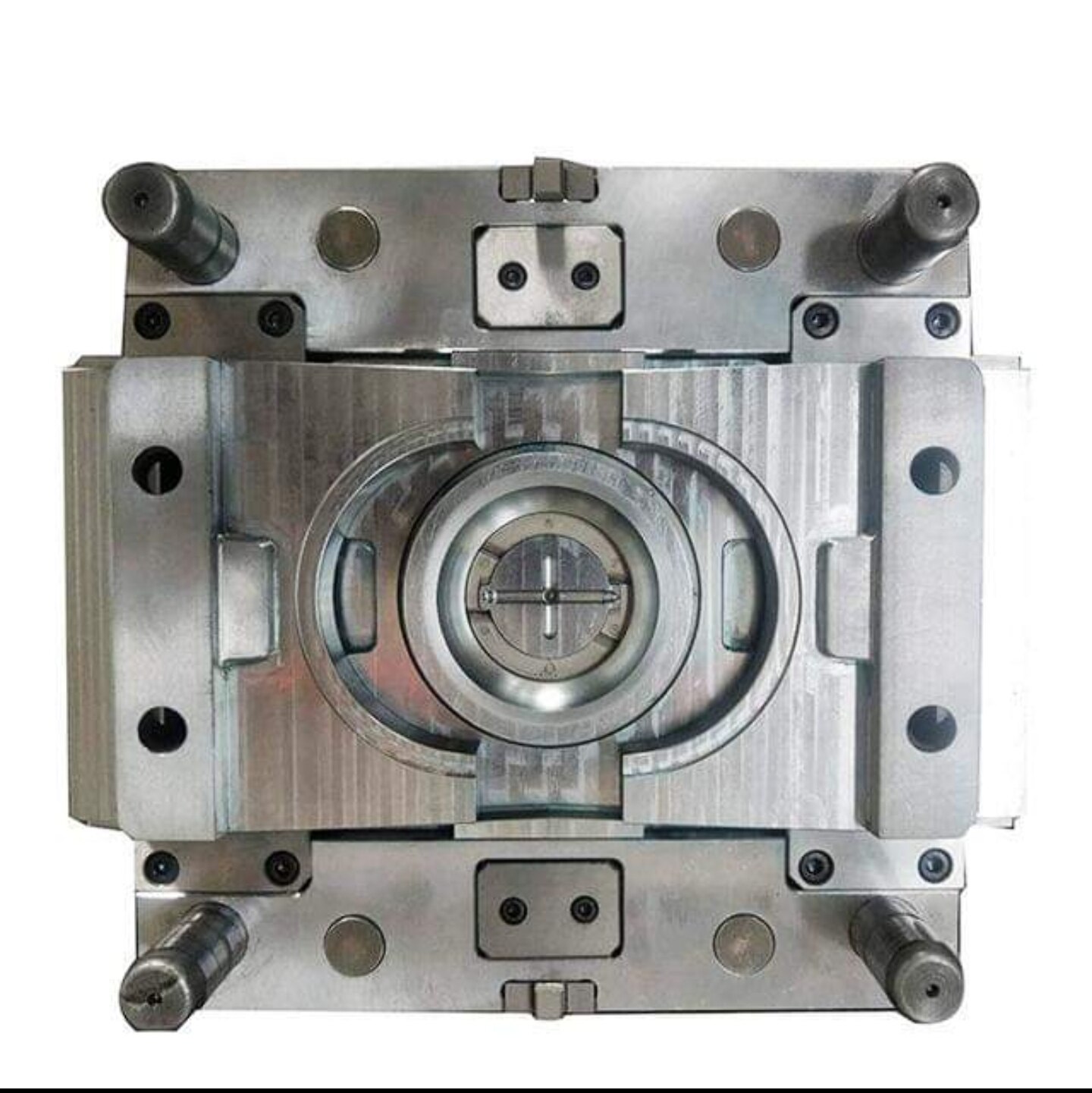 | Plastic Mold Mold we Manufacturer of plastic mold.mold making Components Mold Development Company in Delhi |
Separate toolmaking from injection production and calculate ownership effort
Choose the supplier as two businesses in one: a toolmaker for the mould and a production partner for repeat parts. A plastic component mould manufacturer in Delhi that builds accurate tools does not automatically control resin, process settings or delivery consistency.
| Role | Responsibility | Evidence to request |
|---|---|---|
| Mould manufacturer | Designs and builds the tool | Steel, machining, trials and final mould dossier |
| Plastic injection moulder | Runs customer-owned tools | Named machines, settings and cavity-wise inspection |
| Job-work provider | Supplies agreed processing capacity | Capacity, rates, schedule and batch records |
| Industrial plastic component manufacturer | Manages moulding, material control, inspection and delivery | Traceability, rejection data and corrective actions |
Ask for resin identity and lot traceability, drying records for moisture-sensitive polymers, resin-supplier-based regrind limits, batch records and locked process settings. Request cavity-wise rejection data and corrective-action records. Accept Cp or Cpk evidence only with its sampling plan and proof of statistical stability across shifts, cavities and material lots.
Reject the local option when the tool needs a specialised hot-runner system, complex multi-slide actions, medical-grade validation or more machine capacity than the supplier has. Compare ownership effort, not only the quotation:
- Budget for cleaning, lubrication, cooling-channel checks, corrosion prevention, spare inserts, preventive maintenance and dry, protected storage.
- Put tool ownership, custody, audit access, relocation rights and modification costs in the contract.
- Require final CAD and 2D files, steel details, hot-runner data, cooling and hydraulic diagrams, spare-part lists, trial parameters and revision history.
- Pass suppliers only with named machines, documented inspection, cavity-specific trial data, complete ownership terms, a defined warranty and a repair response time.
Frequently asked questions
What should you include in a mould manufacturer brief?
Provide the final 3D CAD file, 2D drawing, resin manufacturer and grade, shrinkage data, annual volume, target cycle time, tool-life expectation, surface finish and tolerances.
What should you check before selecting mould steel?
Review the part design, resin, shrinkage, expected production volume, surface finish, tolerances, cooling needs and tool-life target before choosing steel.
How do you compare plastic mould quotations accurately?
Compare cavity count, machine capability, cycle time, steel and components, trial scope, inspection work, revisions, maintenance and the complete tool price.
What evidence proves a mould maker can deliver?
Request trial results, sample parts, dimensional inspection records, defect-resolution actions and written handover terms covering drawings, spares and acceptance criteria.
Related products
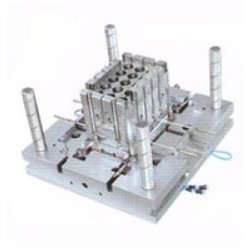 | Plastic Mold ₹50000 GM INDUSTRIES is the leading supplier of PLASTIC MOLD MAKER/ALMUNIUM CASTING MOLD/PDC MOULD/ALMUNIUM DIE CASTING MOLDS/PLASTIC COMPONENT MOLD/DIE... View product → |
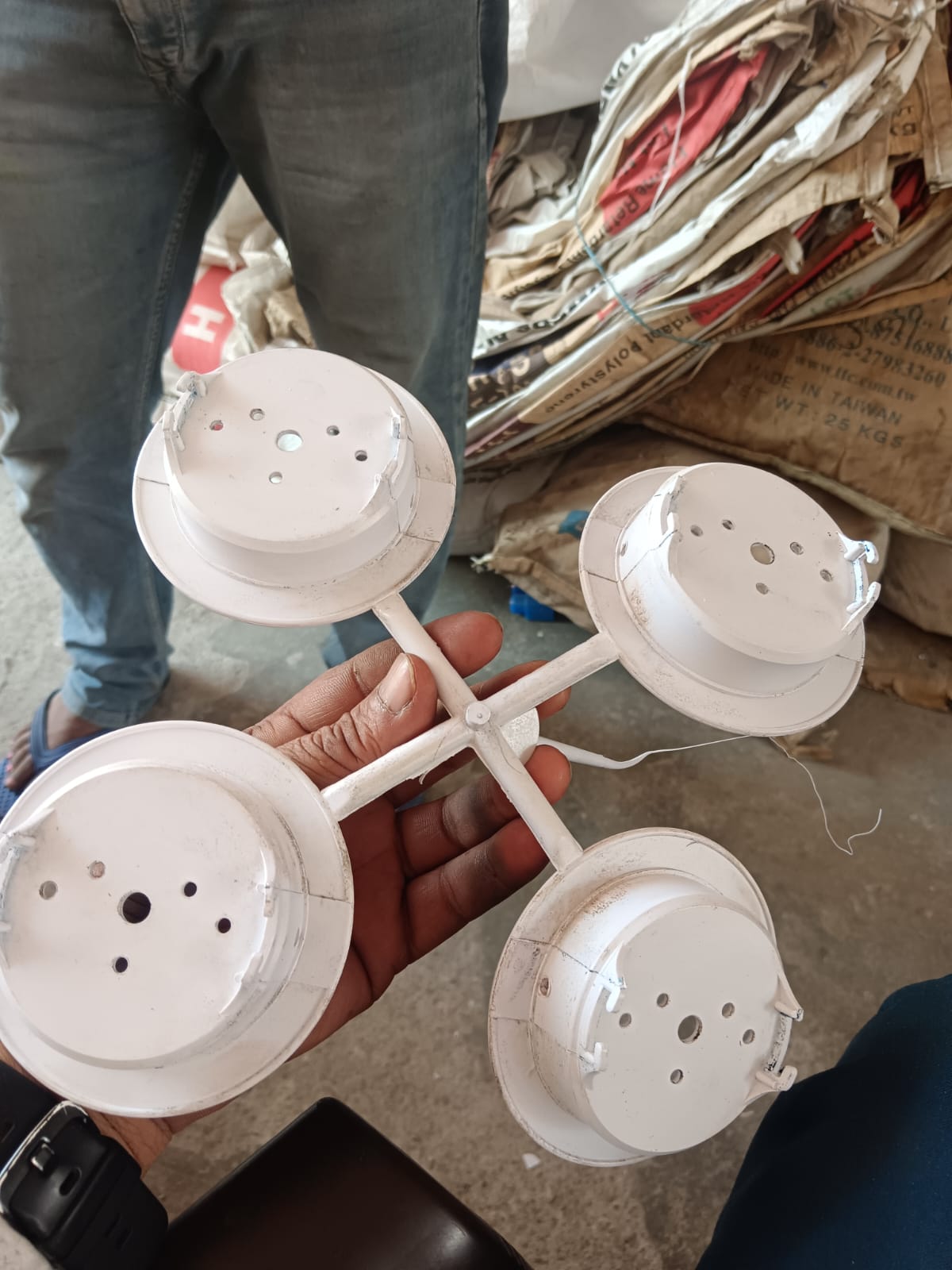 | Plastic Mold we are manufacturer of plastic mold and pdc molds M INDUSTRIES is the leading supplier of PLASTIC MOLD MAKER/ALMUNIUM CASTING MOLD/PDC MOULD/ALMUNIUM... View product → |
 | plastic tool and dies manufacturing companies plastic tool and dies manufacturing companies plastic mold manufacturing with highly qualified team.with time commitments . View product → |
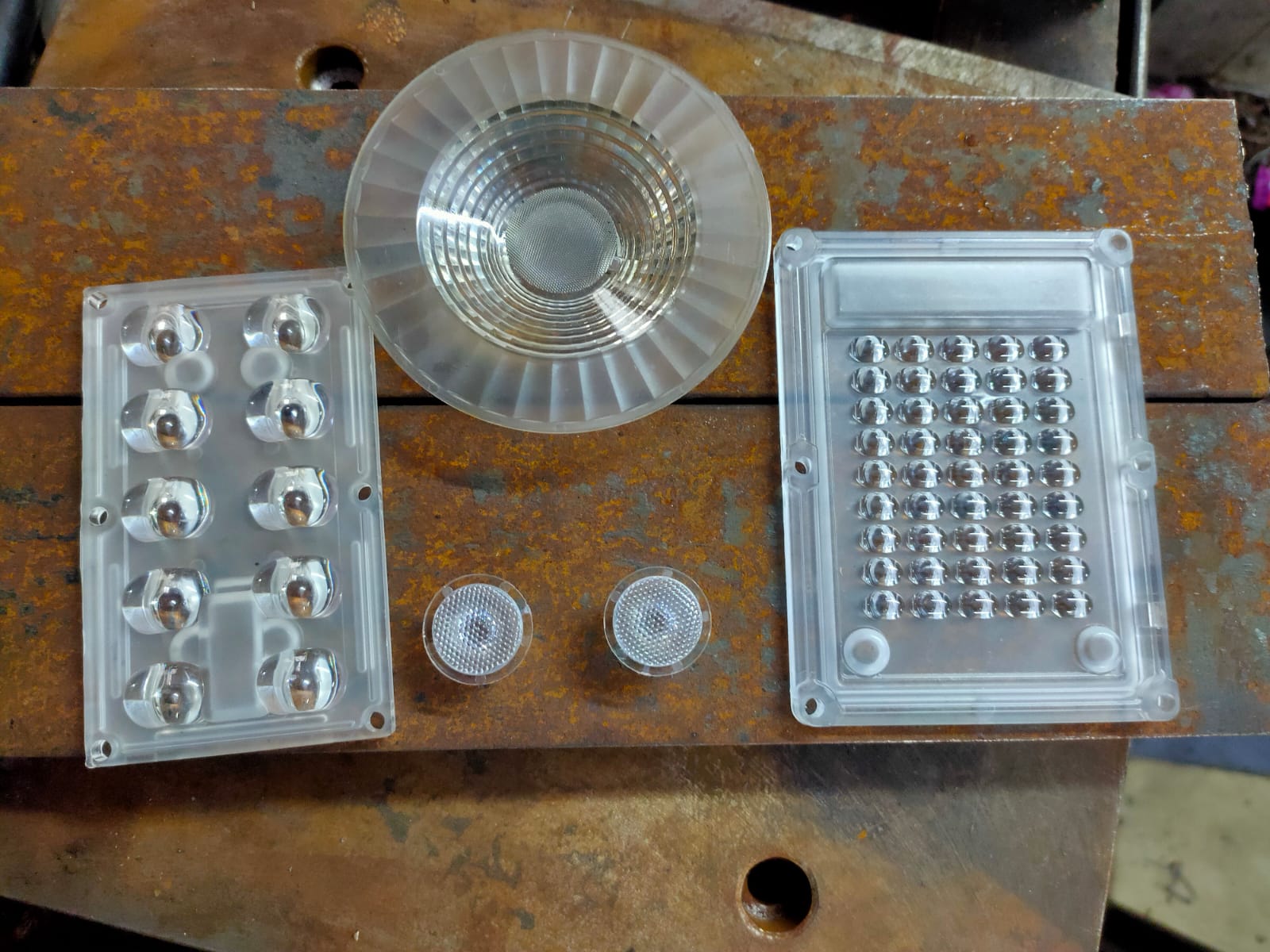 | Plastic Components polycarbonate mold in best quality near delhi View product → |
Keywords