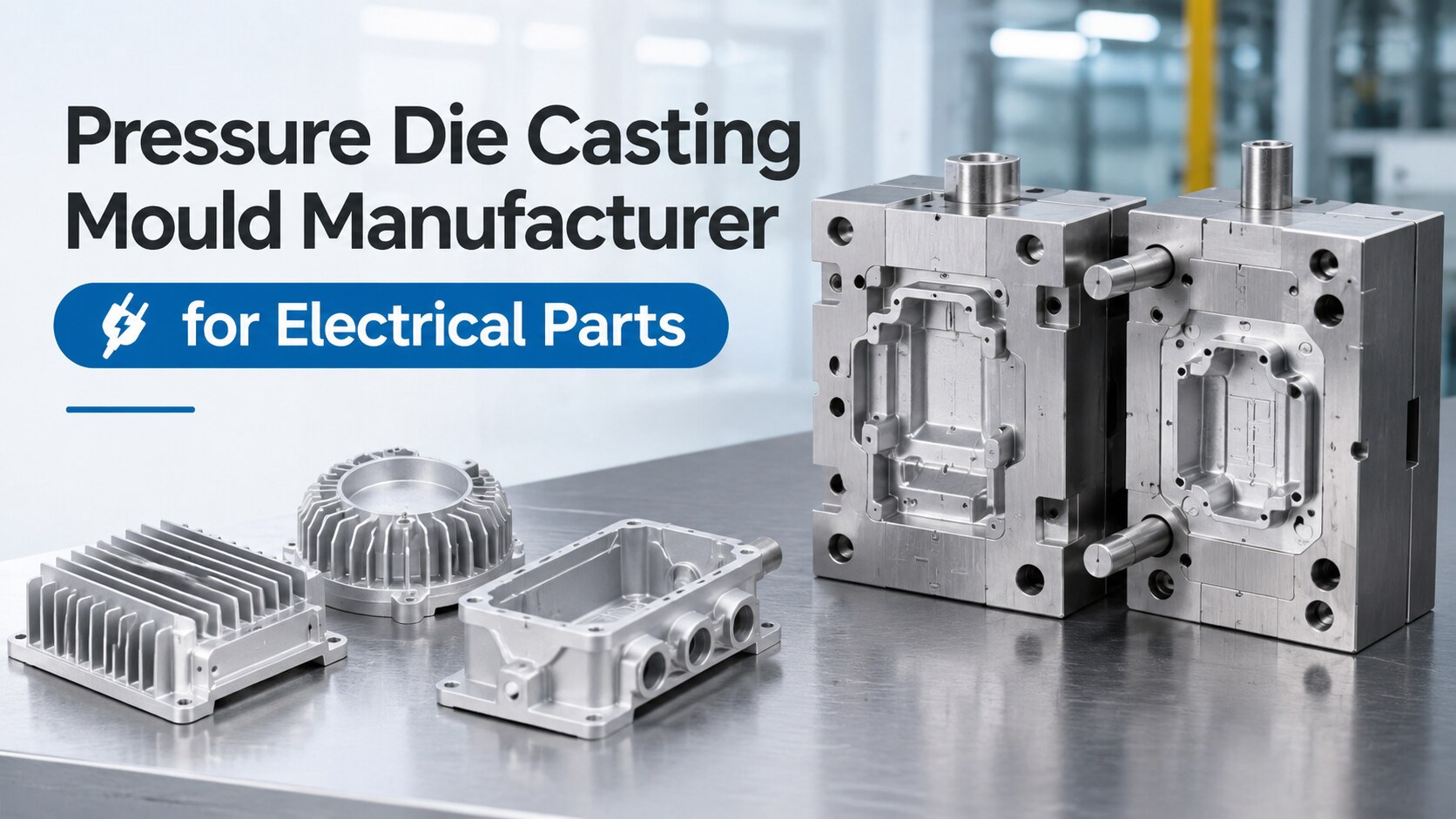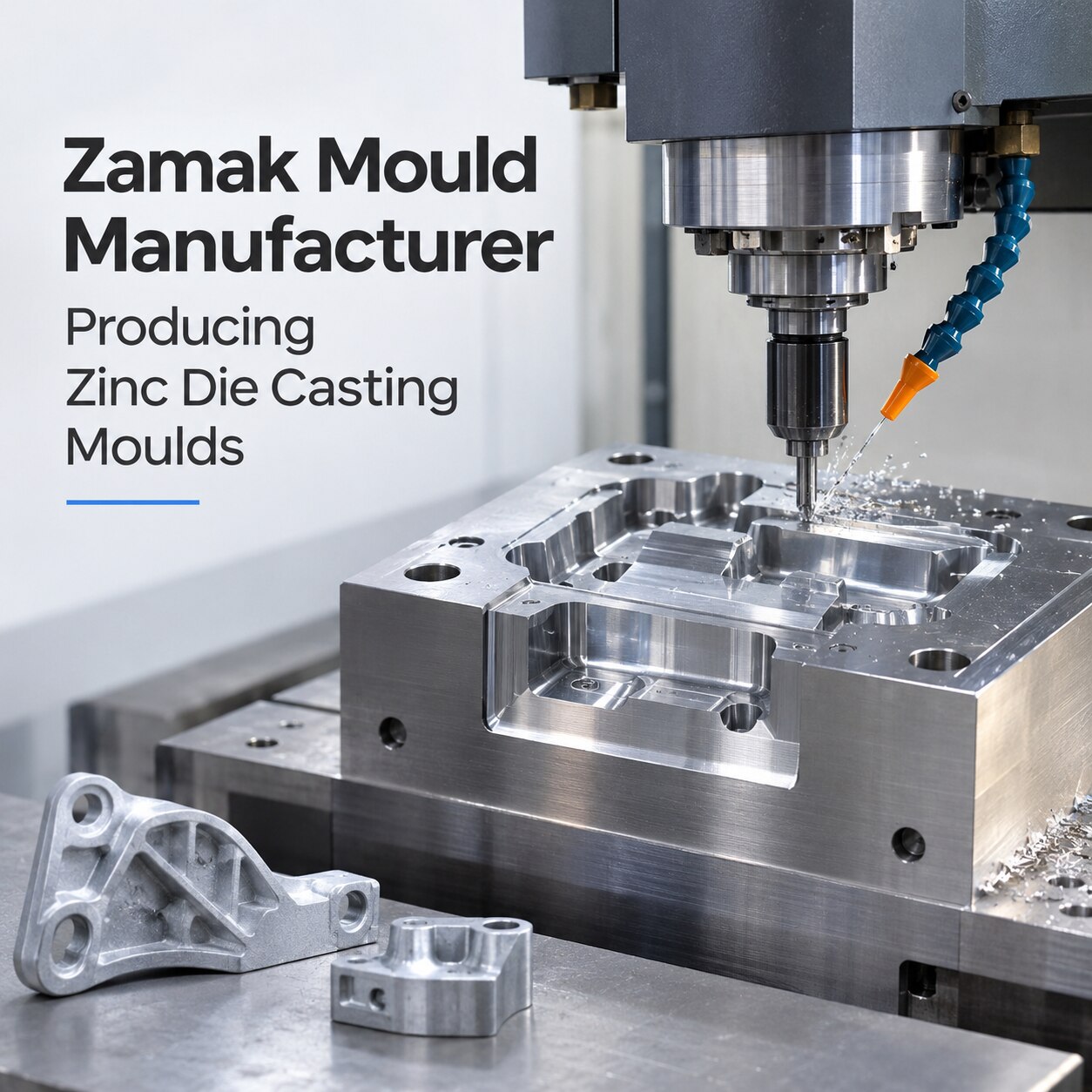
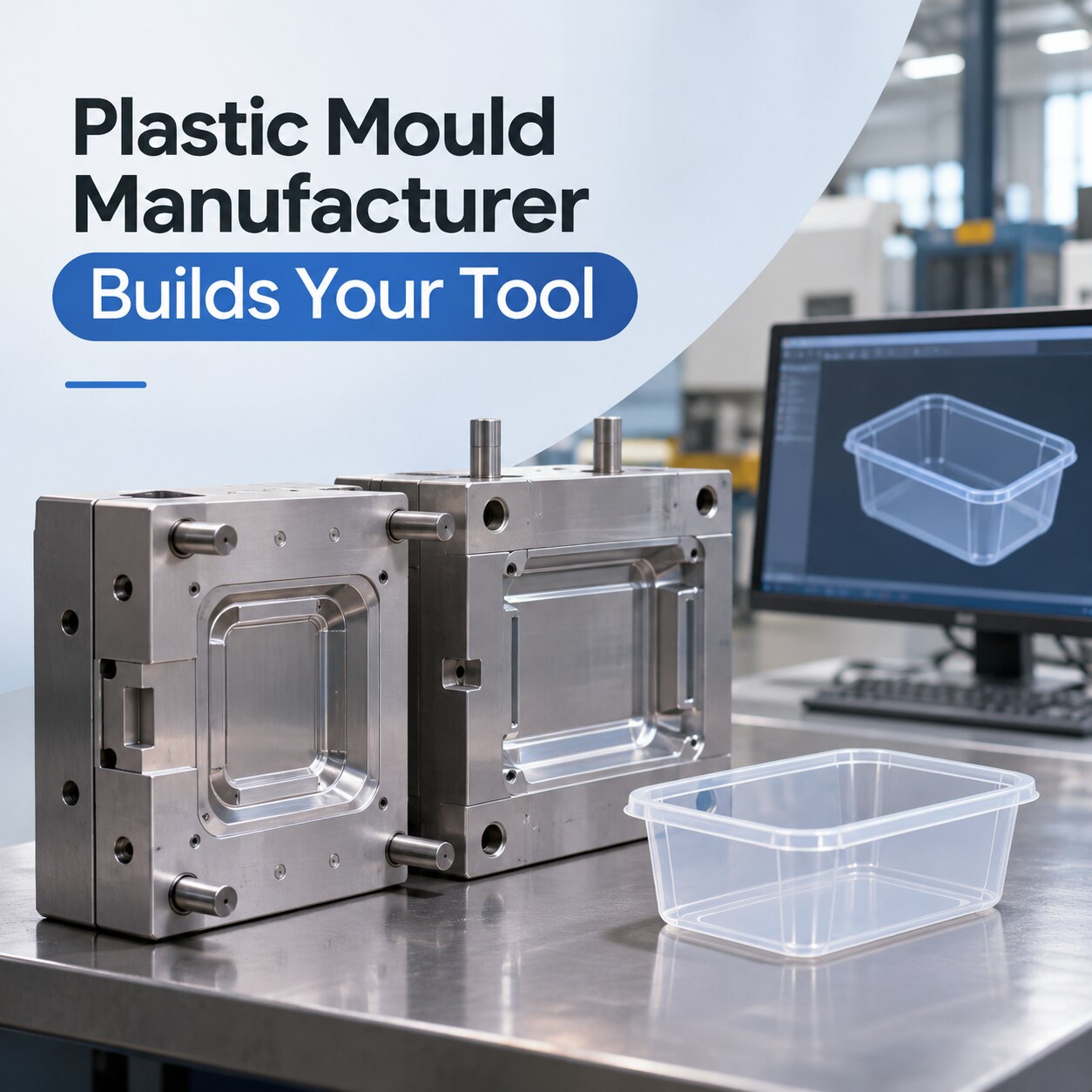
A mould quotation is only as reliable as the part data, resin specification and production target behind it. By following the tool from design review through machining, trials and handover, you can approve the right cavity count, steel, features and acceptance documents before metal is cut.
Key takeaways
- Submit 2D drawings, 3D CAD, resin grade, volumes and tolerances before requesting a quote.
- Convert parting lines, draft, gates and ejection into a manufacturable mould layout.
- Match tool steel and mould type to resin wear, output volume and required tool life.
- Approve trial samples, dimensions, cosmetic surfaces and change records before handover.
What must you provide before the mould quotation is prepared?
A plastic mould manufacturer in Mayapuri in Delhi needs a complete customer brief before pricing machining, components and validation. Submit a 2D part drawing, 3D CAD file, resin family and exact grade, filler or reinforcement, colour, annual quantity, expected tool life, surface-finish class, critical tolerances and delivery target. Mark cosmetic faces and identify inspection datums.
Include the machine make, platen dimensions, shot capacity, tie-bar spacing and injection-unit data. State whether the quotation is for a prototype tool or production tool. Ask the manufacturer to confirm mould opening direction, press suitability and expected cycle time as part of the mould making process Mayapuri.
Do not approve a generic shrinkage percentage. Resin grade, fibre direction, wall thickness, packing pressure and cooling rate change final dimensions, so supplier data and trial results must establish steel-safe dimensions.
Compare quotations against these checks:
- Cavity count and tool steel
- Replaceable inserts and trial quantity
- Included correction rounds
- Inspection method and acceptance datums
- Maintenance scope and handover documents
| Quotation item | What to confirm |
|---|---|
| Cavity count | Number, balance plan and cavity identification |
| Tool construction | Steel grade, inserts and expected tool life |
| Validation | Trial quantity, recorded conditions and correction rounds |
| Inspection | Dimensions, datums, temperature and measurement method |
| Handover | 2D/3D tool data, schematics, spare list and maintenance instructions |
Require cycle time, press fit and opening direction in writing; otherwise the price compares assumptions rather than equivalent tools.
How does the part model become a workable mould layout?
A plastic mold maker in Mayapuri first turns the 3D part into a release plan before machining. The review fixes cavity count, mould opening direction and parting line, then checks draft against texture depth and ejection force. It smooths wall-thickness transitions, limits rib and boss thickness to prevent sink, and marks shutoffs.
Undercuts need slides or lifters; inserts suit wear or complex details, while angled ejectors reach releases. Keep ejector pins off cosmetic faces.
The filling plan runs from sprue through runners to gates. Gate location controls weld lines; trapped air needs vents at the flow end and around enclosed ribs, bosses or shutoffs. Confirm vent dimensions in trials: undersized vents cause burns and short shots; oversized vents flash.
Cooling channels sit close enough to remove heat, but not so close that they weaken the plate. Their spacing must support even cooling.
Cavity count is a production-economics decision:
| Option | Tool and part economics | Production consequence |
|---|---|---|
| Single cavity | Lower initial tool cost | Simpler balancing, cooling, press sizing and maintenance |
| Multi-cavity | Higher tool cost, lower piece cost at sufficient volume | Requires balancing, larger press capacity and cavity-specific control |
For a custom plastic mould in Delhi, assign cavity numbers before cutting steel and inspect each cavity separately for weight, fill balance, dimensions, colour, flash, weld lines and ejection marks. A blended sample can hide one bad cavity.
Which resin, steel and tool type fit the production job?
ABS needs controlled venting, a polished cavity and shrinkage validation. PP and HDPE need shrinkage and warpage checks; nylon needs drying because it absorbs moisture. Glass-filled nylon adds abrasion and directional shrinkage, while PC needs strong temperature control and polished surfaces. PVC demands corrosion-conscious steel selection and safe processing controls.
Tool choice must match resin, annual volume and required life, not just cavity shape.
| Option | Tool life and performance | Practical trade-off |
|---|---|---|
| Aluminium prototype tool | Short life; quick machining and low cost | Good for samples, wrong for sustained abrasive production |
| P20 or other pre-hardened steel | Medium-to-long life, stable cycles and repairable inserts | Easier to machine and polish than hardened steel, with moderate cost |
| Hardened tool steel | Long wear life for high volume or glass-filled resin | Better abrasion resistance, but slower machining, higher cost and tougher insert replacement |
| Corrosion-resistant grade | Protects against PVC-related corrosion, moisture and water exposure | Higher material cost; select it where corrosion threatens polish or service life |
A prototype mould is for design validation, not continuous abrasive production. A production injection mould fills a cavity with thermoplastic; it is not a compression mould, which forms material under heat and pressure without the same filling system.
A die-casting mould handles molten metal, not thermoplastic filling, and a plastic die is a forming or cutting tool rather than an injection cavity. The hardest steel is not automatically best: toughness, polishability, machining time, cycle stability and replaceable inserts can matter more.
Specify these trade-offs to a custom plastic mould in Delhi, and ask an industrial mould manufacturer Mayapuri to justify the grade against resin and tool life.
What happens during machining, assembly and the first mould trials?
1. Approve the mould layout before cutting steel, then release 2D manufacturing drawings. The mould making process in Mayapuri defines electrodes and spark-gap allowances at this stage, alongside the bill of materials, cavity numbering, runners, gates, cooling and ejection details.
2. Machine plates and inserts through CNC milling, turning and drilling. Use wire EDM for through-features and precise insert profiles; use sinker EDM for deep ribs, sharp internal details or inaccessible geometry. EDM does not finish the tool: polish, texture, fit and assemble every component afterward.
3. Check insert seating, shutoff contact and cavity alignment before closing the tool. Confirm ejector travel, slide and lifter movement, runner continuity, cooling-circuit leak tightness and vent condition. An industrial mould manufacturer in Mayapuri must find a binding ejector or leaking circuit before the press trial, not after production starts.
4. Run the first trial under controlled conditions and record machine identification, resin and lot, melt and mould temperatures, injection and holding conditions, cooling time, cycle time, part weight, cavity number and observed defects. One attractive first-off part proves neither interchangeability nor process capability.
For a multi-cavity tool, inspect each cavity separately for fill balance, weight, dimensions, colour, flash, weld lines and ejection marks.
5. Correct the cause, not only the visible defect: change gates or venting, polish, machine steel-safe, replace inserts, adjust cooling or change the process. Separate mould dimensions from moulded-part acceptance using agreed datums, inspection temperature, conditioning, tolerances and measurement method; this is essential to the mould making process in Mayapuri.
What should you approve before production handover?
Do not release the tool for production until the design-review gate is complete. Before cutting steel or aluminium, approve the 2D tool drawing, 3D mould assembly, cavity layout, parting-line and insert details, steel grade, cooling-channel layout, runner and gate plan, venting approach, ejection layout, bill of materials and revision record.
Record every open action at approval, with an owner and due date. Mark drawings clearly so reviewers can distinguish tool dimensions from part dimensions; confusing the two can produce a mould that is accurate yet makes rejected parts.
At handover, require:
- Final 2D and 3D tool data
- Cavity and insert identification
- Steel certificates where the contract requires them
- Cooling and hydraulic or pneumatic schematics
- Controlled trial reports and approved samples
- Spare-part recommendations and maintenance instructions
A Delhi buyer comparing an industrial mould manufacturer Mayapuri should test the record, not the catalogue. Ask who owns revisions, how corrections are logged, how a replacement insert will be manufactured, and what information remains available after delivery.
A plastic mould manufacturer in Mayapuri in Delhi that cannot answer these questions leaves repair costs and repeat-tool risk with you.
| Supplier comparison | Evidence to request | Risk if absent |
|---|---|---|
| Revision control | Numbered drawings and change log | Unapproved geometry reaches production |
| Validation | Cavity-specific trial data and samples | One good sample hides cavity variation |
| Serviceability | Insert files, spares and maintenance notes | Future repairs depend on the original maker |
With GM Industries, begin the discussion with this documented approval and handover process.
Frequently asked questions
What must you provide before a plastic mould quotation?
Provide a 2D part drawing, 3D CAD file, exact resin grade, filler or reinforcement, colour, annual quantity, expected tool life, surface-finish class, critical tolerances and delivery target. Mark cosmetic faces and inspection datums.
How does a part model become a workable mould layout?
The manufacturer evaluates parting lines, draft angles, wall thickness, shrinkage, gates, runners, cooling channels and ejector locations before creating the mould layout.
How do you choose resin, steel and tool type?
Choose the tool type from production volume and part complexity, then match steel and surface treatment to resin abrasiveness, corrosion risk, cosmetic requirements and expected tool life.
What happens during mould machining, assembly and trials?
The team machines mould plates and components, fits the core and cavity, installs runners, cooling and ejection systems, checks alignment, then runs trial shots and measures the parts.
What should you approve before production handover?
Approve the trial part against dimensions, tolerances, datums, cosmetic surfaces, colour and fit. Confirm the final drawing, inspection report, approved sample, maintenance instructions and documented design changes.
Keywords