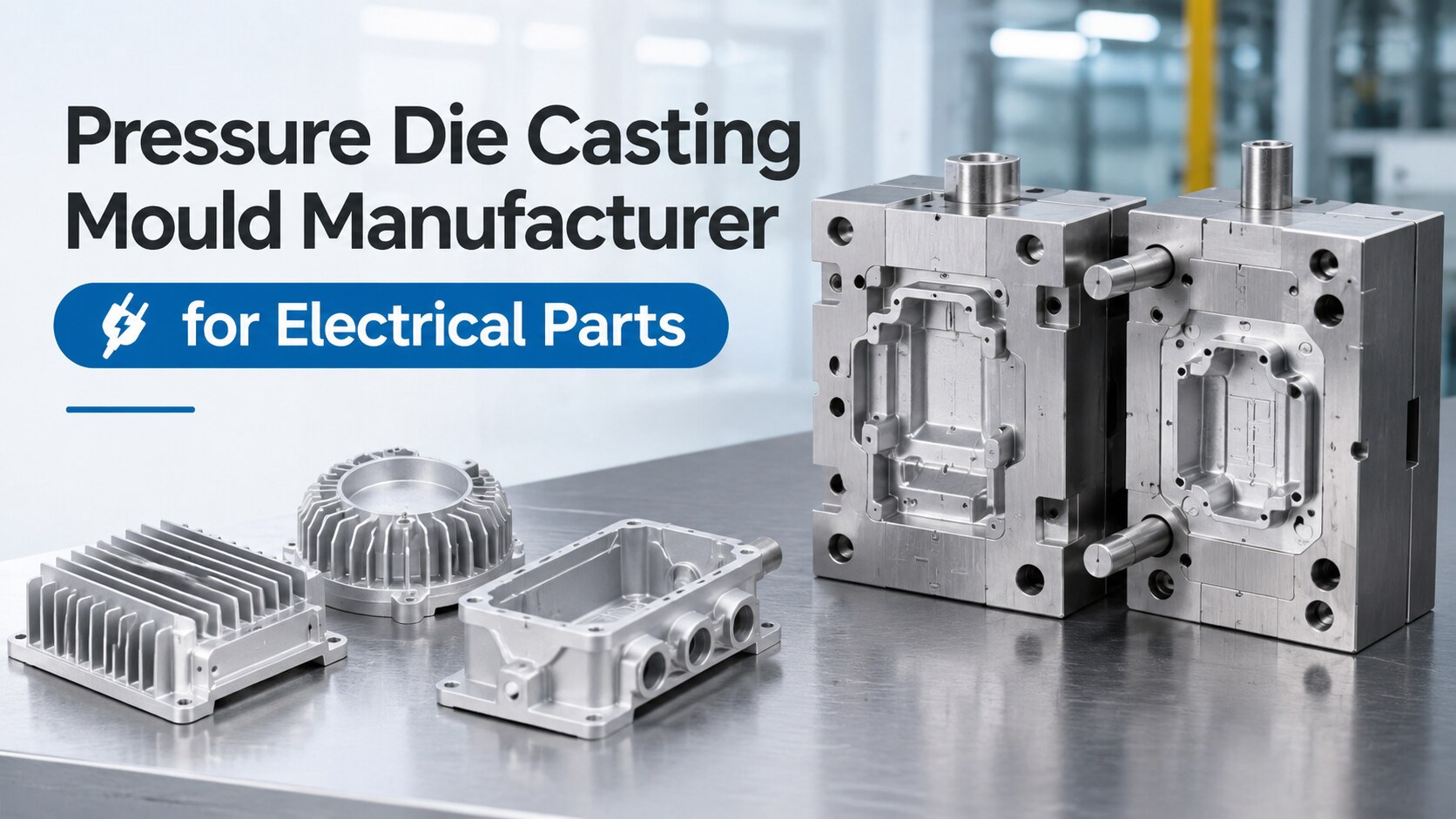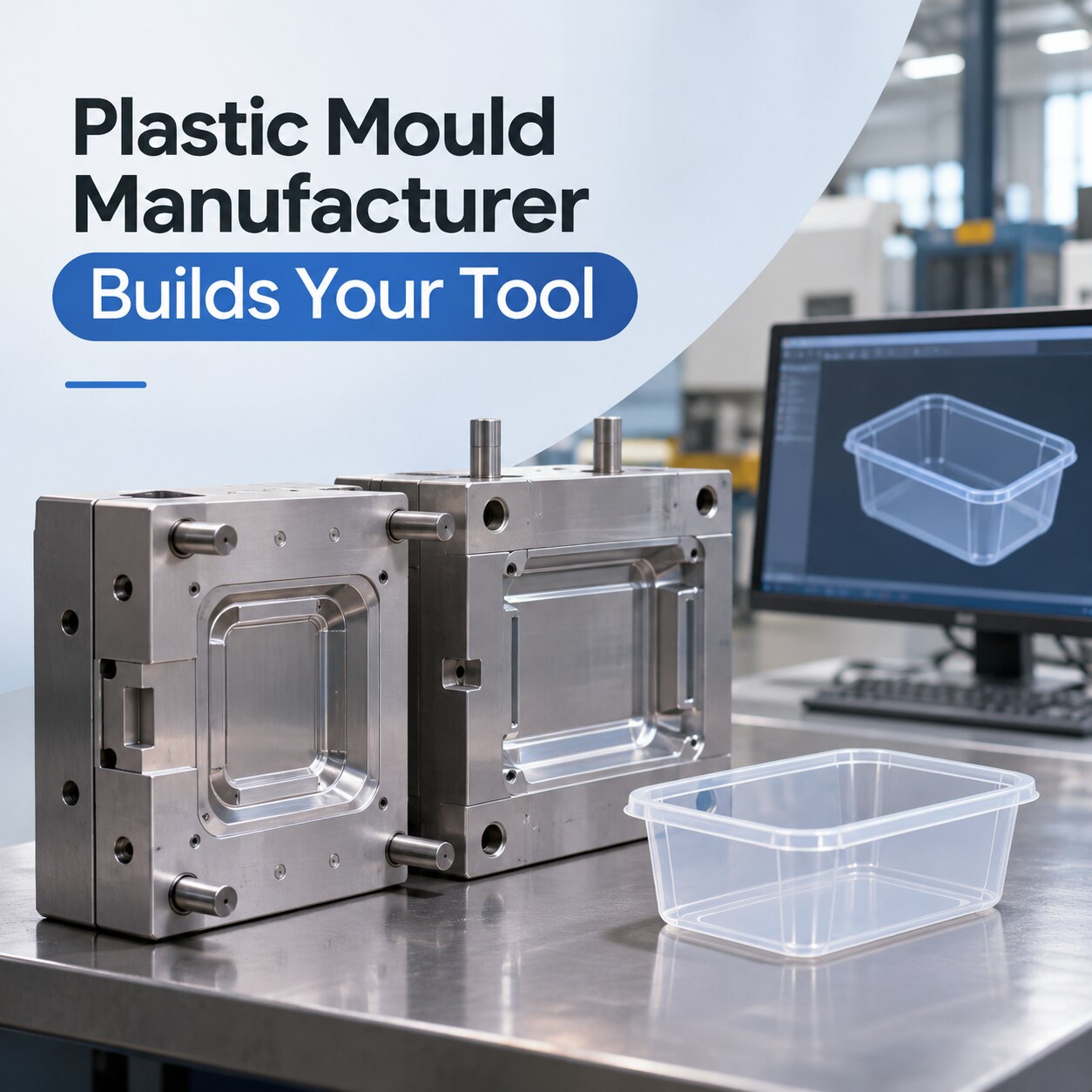
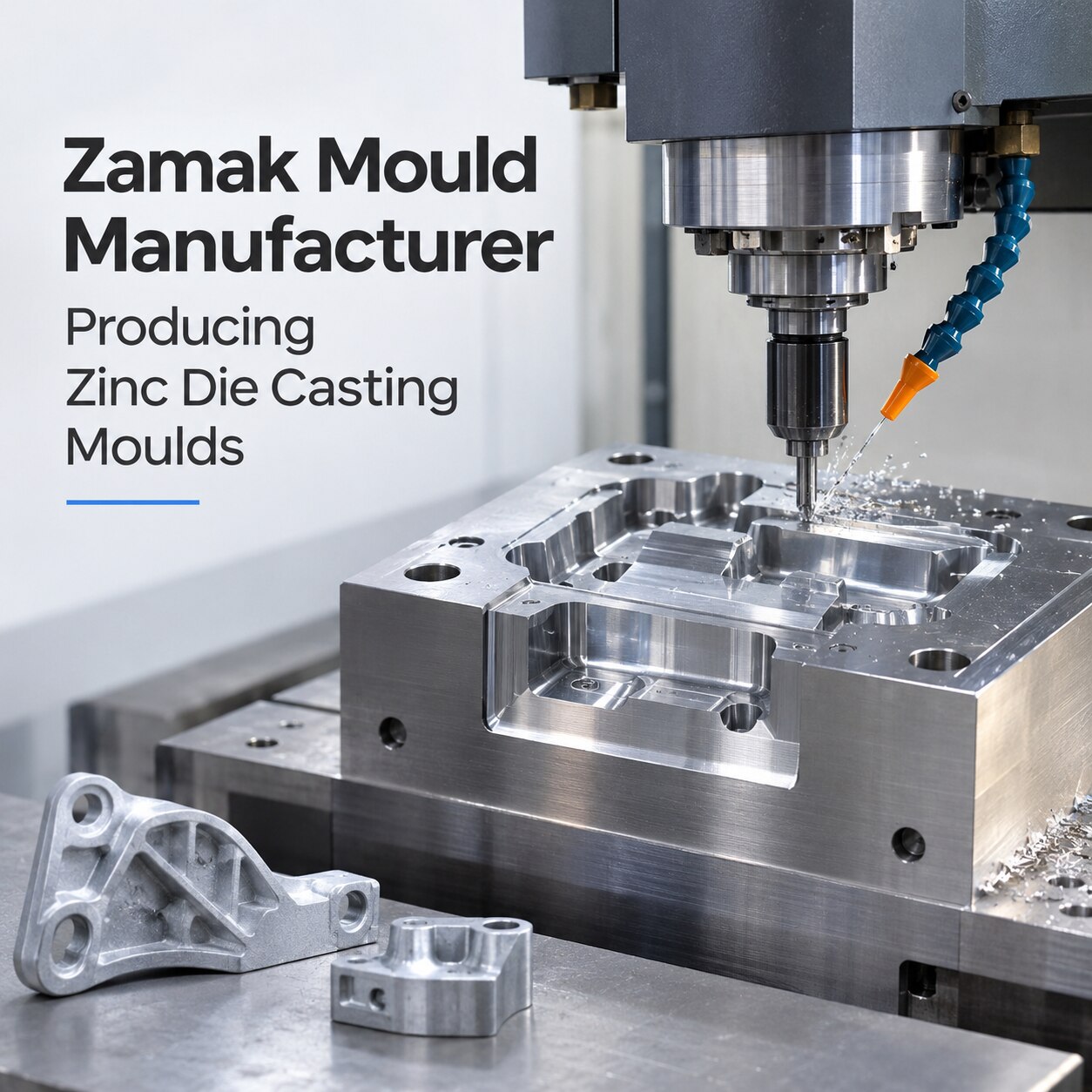
A zinc die casting mould is designed from the finished component backwards, then machined, heat-treated, fitted and proven through controlled trial shots. By the end, you will know what data to provide, how the mould is built, which checks prevent casting defects and what evidence to request before approving zinc pressure casting tooling.
Key takeaways
- Confirm alloy, machine limits, annual volume and critical dimensions first.
- Match cavity layout, runner design and cooling to the casting machine.
- Request steel grades, inspection records, trial-shot results and tool-life details.
- Approve the die only after dimensions, flash and ejection performance pass inspection.
How Part Data Becomes a Tooling Concept
A zamak die casting mould starts with the finished part, not a block of steel. The toolmaker confirms the Zamak alloy, hot-chamber pressure die-casting route, annual volume, machine envelope and critical dimensions before choosing a cavity arrangement.
1. Fix stable datums and classify each feature as as-cast, machined, cosmetic or functional. ISO 8062 tolerance classes and machining allowances apply differently to sealing lands, threaded holes and visible surfaces.
2. Establish the parting line and decide which half carries the casting after opening. This choice controls draft, shut-offs, ejector access, slides, lifters and machining allowances; changing it later can redraw the entire tool concept.
3. Position the gate, runner, overflows and vents around metal flow and air escape. A short filling path is not automatically better: poor vent placement can trap air, cause cold shuts and leave porosity in a pressure-tight wall.
4. Select the cavity count and insert strategy against shot size, cycle time, balancing and maintenance access. A multi-cavity tool that cannot fill every cavity evenly will produce more scrap than a slower single-cavity tool.
5. Apply shrinkage allowance from the selected alloy, section thickness, die temperature and restraint—not a generic percentage. Tie critical dimensions to the agreed datums and define how inspection will measure them.
The quotation from a zamak mould manufacturer for zinc die casting in Delhi should show this assumed concept, including cavity count, parting line, gate location and machine size. A zinc die casting mould manufacturer should also identify the tool steel and heat-treatment route before cutting steel.
How the Die Is Built and Matched to the Machine
A zinc die casting mould has two matched halves: the fixed die half, facing the injection unit, and the moving die half, mounted to the ejector side. Together, they form the cavity and control how molten Zamak enters, solidifies and leaves the tool.
The working package includes:
- Cavity inserts that form the external part surfaces
- Cores, slides or lifters that create holes, undercuts and internal features
- Runners, gates, overflows and vents that control metal flow and trapped air
- Cooling channels that manage die temperature
- Ejector pins, return pins and an ejector plate for part removal
- Guide pillars, bushes, locating rings and clamping surfaces for repeatable alignment
Most Zamak dies are built for hot-chamber pressure die casting, not centrifugal casting. The zinc pressure casting tooling must match the machine’s tie-bar spacing, platen dimensions, die height range, maximum die weight, locking force, injection capacity, nozzle position and ejector stroke.
A zinc die casting mould manufacturer in delhi confirms compatibility against the machine’s rated drawings and a three-dimensional assembly model. The check verifies nozzle-to-sprue alignment, tie-bar and clamp clearance, ejector-pin alignment, opening stroke, slide movement and safe access for cooling hoses and maintenance.
Before steel is cut, request the machine model, shot capacity, available locking force and platen drawing. During tryout, confirm that the die clamps without interference, fills at the planned injection settings and ejects the casting without damaging pins, slides or parting faces.
How Material, Cooling and Filling Choices Prevent Defects
A zinc die mould maker selects the alloy from the part’s strength, ductility, finish and plating requirements. Zamak 3 suits thin sections and stable dimensions; Zamak 5 suits higher strength. The selected grade sets the shrinkage allowance and filling conditions, so a generic scale factor can distort critical datums.
Cavity count follows annual volume, machine shot capacity and required cycle time. One cavity reduces balancing and development risk for short runs; multiple cavities lower piece cost at high volume but demand equal runner lengths, matched cooling and balanced filling. An unbalanced tool produces different porosity, dimensions and flash between cavities.
H13 tool steel, also called 1.2344, suits repeated thermal cycling and high-velocity zinc flow when correctly heat-treated. The toolmaker sizes inserts and shut-offs around the part’s wear zones, then chooses nitriding or a PVD coating for sliding surfaces, gates and edges exposed to erosion. Poor treatment causes galling, washout and premature flash.
Cooling channels must remove heat without creating cold weld lines or uneven shrinkage. The filling system is tuned through runner diameter, gate thickness, vent area and overflow position: excessive speed traps air and causes porosity, while inadequate venting leaves burn marks and short shots.
A production zamak die casting mould therefore needs thermal and flow simulation, followed by trial-shot measurement, not merely a cavity copied from the CAD model.
How Machining, Fitting and Trial Shots Turn the Design into a Production Die
Approved CAD is not a production die. A zinc die mould maker turns zinc pressure casting tooling into a working tool through controlled machining, fitting and evidence from trial castings.
1. CNC machines cut the die plates, cavity inserts, slides and ejector components, while EDM forms deep ribs, sharp internal details and inaccessible corners.
2. The manufacturer heat-treats specified die-steel parts, then finishes critical surfaces and removes machining stock. Tool-steel and heat-treatment records belong in the tooling file.
3. During spotting and bench fitting, technicians check shut-off contact, slide travel, insert seating, guide alignment and ejector movement. They blue-check mating faces and correct high spots; a tiny gap can create flash even when the CAD dimensions are correct.
4. The cavity and cosmetic surfaces are polished or textured to the agreed finish, and vents, overflows, runners and cooling passages are cleaned before assembly.
5. The fitted die runs trial shots on the intended hot-chamber machine using the specified Zamak alloy and documented injection settings. Technicians inspect filling, flash, soldering, drag marks, incomplete release, porosity and distortion.
Approval requires more than a good-looking sample. Measure critical dimensions, sealing lands and functional fits against the drawing and the agreed ISO 8062 tolerance class, using the named gauges or CMM method. Record shot conditions, sample numbers and any correction cycle.
The die is ready for production only after corrected castings pass visual, dimensional and assembly checks, with a signed trial report and updated inspection data.
What to Request Before Approving a Zinc Die Mould
Do not approve the tool from a quotation and one trial photograph. Compare the supplier’s evidence against your part drawing, selected Zamak alloy, hot-chamber machine and production quantity.
Request these items before placing the order:
- 3D die model and cavity, insert, runner, gate, overflow and vent drawings, with the assumed parting line and inspection datums marked.
- Steel grade, heat-treatment records, EDM electrode data where used, spare wear-part list and maintenance instructions for vents, parting faces and ejectors.
- A dimensional report using the agreed ISO 8062 tolerance class, measurement method, sample size and actual production condition. Separate critical machined features, sealing lands and functional fits from cosmetic as-cast surfaces.
Compare supplier evidence in this table:
| Evidence to compare | What it proves | Clarify or reject when |
|---|---|---|
| Hot-chamber machine range and Zamak alloy records | The die matches injection force, shot size and alloy behaviour | The supplier names no machine size or alloy grade |
| Trial-shot report and approved samples | Filling, venting, flash control and dimensions work together | Results lack measured values or production settings |
| Tool-room and inspection capability | Machining, fitting and CMM or equivalent checks remain controlled | Inspection is outsourced without reports |
| Repair response and replacement-part capacity | Downtime can be managed after production starts | No maintenance owner, spare inserts or repair route exists |
A zamak mould manufacturer for zinc die casting in Delhi and a zinc die casting mould manufacturer in Delhi deserve the same scrutiny. GM Industries should be compared on these records, not on the phrase “precision tooling” or the lowest price.
Related products
 | Zink Die Casting Mould ₹20000 Zinc Die Casting Mould is offered by us to customers in bulk at most reasonable rates. View product → |
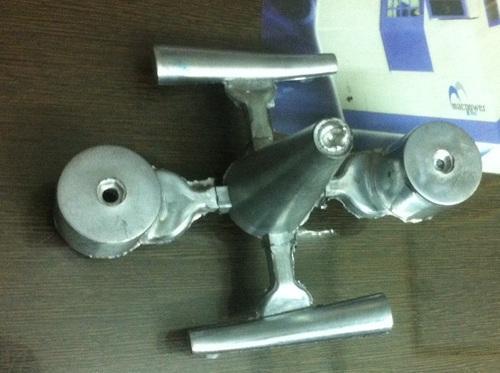 | Zink Casting Mold We are eminent name in the industry, offering highly durable array of Zinc Casting that is strong in nature and is delivered with application... View product → |
Frequently asked questions
What information does a Zamak mould manufacturer need before designing the die?
Provide the finished part data, Zamak alloy, hot-chamber pressure die-casting process, annual volume, machine envelope and critical dimensions.
How is a zinc die-casting mould matched to the machine?
The toolmaker matches the die envelope, clamping arrangement, injection system, ejector stroke, cooling connections and cavity layout to the selected machine.
Which tooling choices help prevent defects in Zamak castings?
Correct material selection, runner and gate sizing, venting, cooling-channel placement and filling control reduce defects such as porosity, flash, cold shuts and sink marks.
What should you request before approving a zinc die mould?
Request the tool drawing, steel grades and heat-treatment records, dimensional inspection report, trial-shot samples, defect corrections, maintenance instructions and expected tool life.
Related products
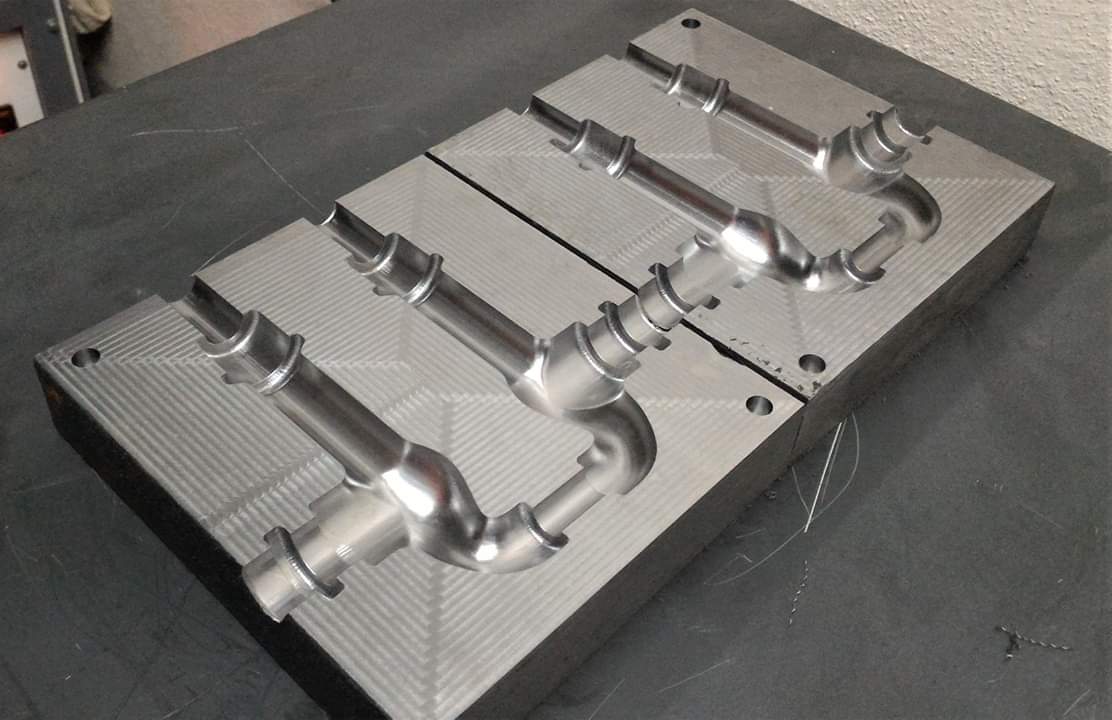 | Die Casting mold manufacturers we have complete tool Room for mold manufacturing. View product → |
 | Pressure Die Casting Mould ₹15000 In accordance with industry principles, we are engaged in offering Pressure Die Casting Moulds. View product → |
Keywords